The Science Behind Piano Moving: No DIY Here
The Science Behind Piano Moving: No DIY Here
Moving a piano is not just about brute strength--it is a delicate operation that requires knowledge, preparation, and specific expertise. As magnificent as these musical instruments appear in any home, they pose significant challenges when relocating. If you're considering a piano move, you need to understand why this job is best left to professionals. In this comprehensive 1500-word guide, we'll unravel the science behind piano moving, discuss the immense risks of DIY moves, and explain how expert piano movers leverage physics, technology, and specialized training to deliver your instrument safely.

What Makes Piano Moving So Difficult?
Pianos are more than just heavy--they're complex, sensitive, and valuable machines. Each has thousands of intricate components that work in harmony to produce beautiful sound. When moving, the instrument's weight and awkward shape, combined with its fragility, make it uniquely challenging to relocate.
1. The Weight Factor
- Upright pianos typically weigh between 300 and 500 pounds.
- Grand pianos can tip the scales at 700 to over 1,000 pounds.
But weight isn't the only concern--pianos are also unbalanced. Much of their weight is centered in the cast iron frame, making them awkward to lift and transport.
2. Piano Construction and Sensitivity
Inside a piano, more than 10,000 moving parts work together. The wooden outer case, soundboard, and keys are all susceptible to temperature, humidity, and shock. A bump or sudden tilt can lead to:
- Broken legs and pedals
- Cracked soundboards
- Misaligned keys
- String detuning or snapping
In addition, the finish of a piano--often a delicate lacquer or satin--can easily scratch or mar from a single mishap during transit.
The Physics of Piano Moving
Professional piano movers don't just rely on muscle; they employ a practical understanding of mechanics and physics to maneuver these instruments safely. Here's how:
Leveraging the Right Tools
- Piano dollies: Low, strong wheeled platforms that distribute the instrument's weight, minimizing pressure on any one point and reducing the risk of damage.
- Skid boards: Custom-fitted boards that support the base of grand pianos during tilting or vertical lifting.
- Ramps and lifts: For handling staircases or loading onto moving trucks while keeping the instrument stable.
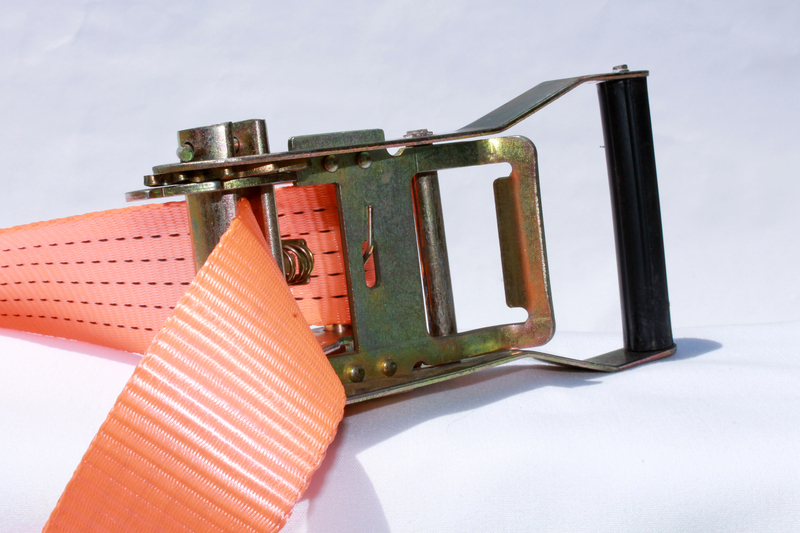
- Harnesses and straps: Used to secure the piano and prevent it from shifting.
Physics enters the picture in calculating leverage, center of gravity, friction, and force distribution at every step. Attempting a DIY piano move without this knowledge or the right equipment can quickly lead to disaster--both for the piano and for anyone trying to move it!
Movement Techniques
Pro movers use specialized methods, such as:
- The "tilt and lift": To rotate grand pianos safely onto their side without stressing the legs or body.
- Team coordination: Movers synchronize motions to maintain stability--one false step can unbalance the instrument.
- Force redirection: Shifting the piano slowly, using ramps to counteract gravity and reduce impact on delicate parts.
The science behind these techniques is grounded in physics--understanding inertia, center of mass, and movement on inclined planes--ensuring the piano remains stable and secure throughout the move.
Risks of DIY Piano Moving
Despite numerous online tutorials, moving a piano yourself is extremely risky. Here's why even seasoned DIYers regret attempting it:
1. Severe Injury
Pianos are dangerously heavy and unbalanced--one slip can result in:
- Crushing foot, hand, or body injuries
- Back strains or herniated discs
- Cuts, bruises, and falls (especially on stairs)
Safe piano moving requires strength, but more importantly, the right lifting, carrying, and safety techniques.
2. Damage to the Piano
- Cracked frames from improper lifting
- Broken or damaged legs from unsteady handling
- Scratches, dents, or finish damage from scraping walls, doors, or floors
- Tuning and action issues resulting from jostling
Professional piano moving companies offer insurance protection--if they make a mistake, you're covered. With a DIY move, the cost is all on you.
3. Property Damage
Attempting to push a several-hundred-pound piano through a narrow doorway is a recipe for:
- Scratched wood floors
- Broken tiles
- Damaged walls and door frames
- Gouged stairs
The science of torque, leverage, and force can work against you if you don't know how to manage it.
How Professional Piano Movers Excel
What makes professional piano movers so effective? Let's examine the specifics:
1. Specialized Training
Piano moving is a learned craft. Movers are trained in:
- Instrument anatomy and balance points
- Safe lifting and carrying postures
- Disassembly and reassembly of grand pianos
- Stair navigation and tight space maneuvers
2. The Right Equipment
Professionals use industry-standard piano skids, pads, dollies, and ramps. Many invest in custom trucks with hydraulic lifts and climate control to transport your piano safely, regardless of weather or terrain.
3. Risk Assessment and Planning
Experienced movers survey the premises before moving the piano, identify potential hazards (tight turns, slopes, fragile floors), and plan the move accordingly. They calculate weight distribution, floor loading capacities, and route logistics in advance.
4. Precision and Teamwork
- Movers work in coordinated teams--every member knows their role.
- Movements are slow, controlled, and deliberate, minimizing risk at every stage.
The Stages of a Professional Piano Move
Let's break down how experts handle a typical piano relocation:
Stage 1: Assessment and Preparation
- Evaluating piano type, size, weight, and construction
- Measuring all doorways, stairs, and potential pathways
- Assembling the right tools, padding, and manpower
Stage 2: Protection and Disassembly
- Wrapping the piano in moving blankets and pads to prevent scratches
- For grand pianos: Detaching the lid, legs, and pedal lyre for safer transport
- Securing moving parts (keyboard lid, pedals) to prevent movement in transit
Stage 3: Safe Moving and Loading
- Using a piano dolly or skid board for initial movement
- Employing ramps or lifts to manage stairs or raised surfaces
- Carefully loading the piano into a padded, secured moving truck
Stage 4: Transport and Delivery
- Driving with care--avoiding sharp turns, stops, or bumps
- Maintaining a stable, climate-controlled environment in the truck
- Unloading and re-positioning in the new space, followed by reassembly and placement advice
Stage 5: Post-Move Tuning (Optional, but Recommended)
Even the most careful move can jar a piano's delicate inner mechanisms. Many professional moving companies offer or recommend post-move tuning and maintenance to bring your instrument back to optimal condition.
Piano Moving: Not Your Typical DIY Project
The science behind moving a piano is rooted in a deep understanding of physics, anatomy, materials science, and logistics. Without expert knowledge, attempting a DIY piano relocation can cost you far more than hiring a professional in the first place--in repair bills, damaged property, or even personal injury.
Common Questions Answered
-
Can I move a piano a short distance myself?
Even short moves pose risk. Many injuries and damages occur when owners attempt to "just slide it across the room" without proper tools or technique. -
Isn't hiring piano movers expensive?
The cost is reasonable compared to repairing a damaged piano (which can reach thousands of dollars) or paying medical bills from injuries. -
What about digital or keyboard pianos?
Lighter digital pianos can sometimes be moved by one or two people. However, valuable and vintage upright or grand pianos always require professional care. -
Will I need to retune the piano after moving?
Yes--variations in humidity, handling, and temperature during a move can affect tuning. It's wise to schedule professional tuning post-move.
Conclusion: Trust the Experts--No DIY Here
Your piano is more than a piece of furniture--it's a precision musical instrument and a cherished investment. The science behind piano moving makes it abundantly clear: this is one task where hiring trained professionals is essential. With the right blend of physics, planning, and equipment, expert piano movers ensure your piano arrives safely and ready to produce music for years to come. Don't risk a DIY disaster--trust your piano move to the pros!
For safe, efficient, and reliable piano moving services, always choose a professional team that understands the true science behind transporting these majestic instruments.