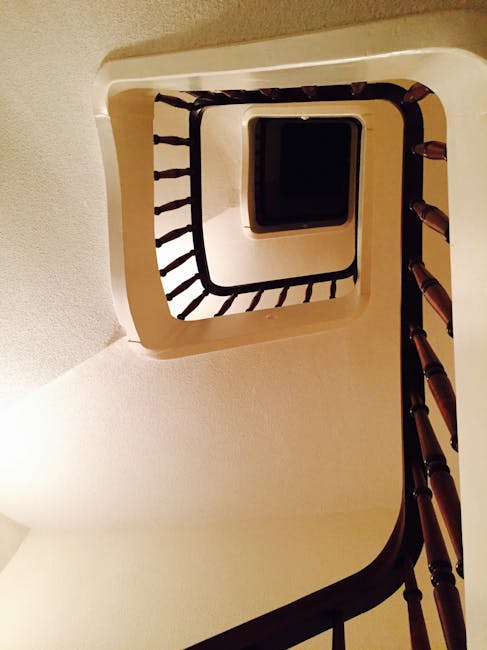
Deptford stairwell moves: safe plans for narrow Victorian homes
Posted on 06/05/2026
Moving into or out of a Victorian home in Deptford can feel like solving a puzzle in real time. The staircase is steep. The turn is awkward. The banister seems to lean just a bit too close. And suddenly that sofa, wardrobe, mattress, or piano is not just "large" - it is a problem with corners. This guide to Deptford stairwell moves: safe plans for narrow Victorian homes is here to help you plan the job properly, protect your property, and avoid the kind of last-minute scramble that turns a move into a stress test.
Whether you are dealing with a narrow terrace staircase, a tight flat conversion, or a basement-to-upper-floor move, the right plan makes a huge difference. Truth be told, most damage on difficult moves happens not because items are too heavy, but because the route was never properly thought through. Let's fix that.
Why Deptford stairwell moves: safe plans for narrow Victorian homes Matters
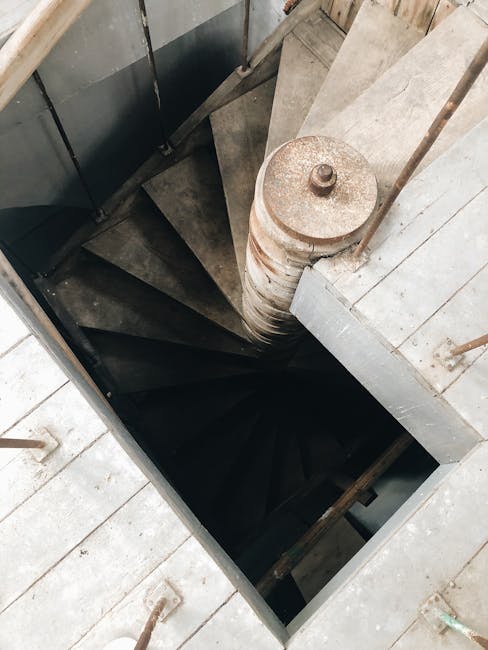
Victorian homes in Deptford often have narrow staircases, tight landings, steep pitches, and turns that were never designed with modern furniture in mind. That is the whole issue, really. A stairwell move is not just "lifting and carrying"; it is route planning, angle management, load control, and damage prevention all rolled into one.
The stakes are simple. If you misjudge a landing or force an item around a bend, you can scratch painted walls, chip plaster, damage spindles, strain your back, or stall the move entirely. In some homes, the staircase is the only practical access point, so a poor plan can delay everything else in the day. Nobody wants to be halfway up the stairs, sweating, with a wardrobe wedged at a strange angle and everyone pretending this was always the plan.
That is why careful planning matters. It helps you decide whether an item can be taken through the stairwell at all, whether it should be dismantled, wrapped, tilted, or moved by two people instead of one, and whether a specialist removal crew is the safer choice. For larger household moves, this sits naturally alongside broader planning advice such as a stress-free approach to moving your home and sensible service selection through house removals in Deptford.
How Deptford stairwell moves: safe plans for narrow Victorian homes Works
A safe stairwell move starts before anyone touches the item. The process usually follows a sequence: measure, assess, prepare, protect, lift, guide, and land. That sounds tidy on paper. In reality, it is part maths, part judgement, and part staying calm when a corner looks much tighter than you expected.
First, the mover checks the item dimensions against the stair route. That means width, depth, height, and the awkward bits - handles, feet, headboards, mouldings, and wheels. A sofa might technically fit, but the arms may catch the turn. A wardrobe may pass width-wise and still fail because of the ceiling height on the landing. Victorian homes love these little surprises.
Next comes route protection. Walls, banisters, and floors should be covered before anything starts moving. Then the load is assessed. Is it stable? Can it be broken down? Does it need two-person handling? Is it too fragile for tight twisting? These are basic questions, but they save time and damage.
At this point, good technique matters. Controlled lifting, steady communication, and clear positioning on each landing are much safer than trying to "power through". If you want a practical grounding in handling awkward weight safely, see the advice in kinetic lifting science meets practicality and efficient ways to handle heavy lifting tasks. They are especially helpful if you are trying to understand where effort should come from, and where it definitely should not.
For awkward furniture, the best move is often not a straight move. It may need to be tilted, rotated, pivoted at the landing, or taken in sections. That is normal. It is not a sign of failure. It is how narrow Victorian staircases usually have to be managed.
Key Benefits and Practical Advantages
Planning stairwell moves properly brings a few very real benefits, and they are not just about avoiding drama on the day.
- Less property damage: Wall corners, stair rails, and painted surfaces are much easier to preserve when the route is protected.
- Lower risk of injury: Tight stairs create poor body positions, and that is where strains happen.
- Faster progress: A measured route and clear lifting plan reduce hesitation and stop-start movement.
- Better control over awkward items: Items such as wardrobes, sofas, beds, and pianos can be handled more safely.
- Less stress: You know the plan before moving day, which changes the whole mood of the job.
There is also a practical money-saving angle. Damage to walls, lost time, and emergency rearrangements can all add cost. A proper stairwell plan often makes the whole move feel smaller and more manageable. That matters whether you are using a full team or a smaller man and van in Deptford setup for a compact property move.
Expert summary: if the route is narrow, the safest plan is usually the one that reduces force and increases control. That may mean dismantling, using better packing, or choosing professional support for the heaviest pieces. Simple, but not always easy.
Who This Is For and When It Makes Sense
This topic is for anyone moving through a narrow staircase in an older London property, but it is especially relevant if you are in a Victorian terrace, maisonette, converted flat, or upper-floor home in Deptford. These buildings often have beautiful character and awkward access in equal measure. Classic combination, unfortunately.
You will benefit most from a stairwell plan if you are moving:
- large furniture such as sofas, bookcases, wardrobes, or beds
- fragile or awkward items that must stay stable while turning corners
- bulky appliances that cannot be safely carried loose
- items with poor grip points or irregular weight distribution
- multiple boxes on a staircase with limited resting space
It also makes sense if you are moving on a tight timetable, in rainy weather, or after work hours. A dark staircase at 6:30pm with everyone hungry and in socks? Not ideal. In those situations, you need a plan that reduces confusion and keeps the movement steady.
Students, renters, families, and landlords all face different versions of the same issue. If your move is smaller but still awkward, local support like flat removals in Deptford or student removals in Deptford may be the sensible route. For larger or more time-sensitive jobs, removals in Deptford can provide a more complete solution.
Step-by-Step Guidance
Here is the practical sequence that works best in narrow Victorian stairwells. Not flashy. Just reliable.
- Measure everything properly. Measure the item, the stair width, the landing width, the turn radius, and the ceiling height. Don't guess. Guessing is how people end up doing an awkward sideways shuffle that looks worse every second.
- Check for obstacles. Look at light fittings, radiator positions, bannisters, mirrors, door handles, and awkward wall projections. Remove what you can and protect what you cannot.
- Decide whether dismantling is needed. Some items are far safer in sections. Beds, tables, and shelving units often move better once taken apart. If you are handling a mattress and frame, it helps to review smart solutions for moving your bed and mattress like a pro.
- Wrap and pad the item. Use blankets, stretch wrap, straps, and corner protection. This protects both the furniture and the stairwell.
- Plan the carrying positions. Decide who leads, who supports, and where each person stands on the stairs. Clear calls matter.
- Move slowly and pivot at the landing. Most accidents happen during turns, not on the straight run. Landings are where patience pays off.
- Set items down safely. Do not rush the final landing. A controlled pause is better than a dropped corner or a twisted wrist.
If the route still feels too tight after all that, stop and reassess. A good move is built on decisions, not just effort. Sometimes the right answer is storage first, movement later. That is where storage in Deptford can be a useful pressure valve while you work out the access issue.
Expert Tips for Better Results
Small details make a big difference on narrow Victorian staircases.
- Use the staircase light properly. Shadow can hide wall edges and turn a manageable move into a clumsy one.
- Keep hands where they can control the load. Fingertips gripping the edge of a heavy item is not enough.
- Communicate every move. Simple phrases like "hold", "lift", "turn", and "down" avoid confusion.
- Protect the lower stair tread as well as the top. Scrapes often happen where the item is rotated, not where it is lifted.
- Take breaks before fatigue sets in. Once grip weakens, mistakes become more likely. Easy to say, harder to do. But worth it.
For bulky items like sofas, it can help to study a specific approach rather than trying to improvise on the stairs. Our sofa handling tips can also help you think through protection and movement order. And if you are moving several pieces of furniture at once, a local furniture removals service in Deptford can reduce the physical pressure on your day.
A slightly old-fashioned but useful rule: if a piece feels awkward before you start, it will feel even more awkward halfway up the stairs. Plan for the awkwardness, don't pretend it won't happen.
Common Mistakes to Avoid
Most stairwell move problems come from a handful of predictable mistakes. Knowing them in advance saves time and, frankly, a bit of embarrassment.
- Skipping measurements: "It should fit" is not a measurement.
- Forcing the turn: If the landing is too tight, forcing it often causes damage or complete stoppage.
- Using too few people: One person may control a light item, but narrow stair moves often need two-person coordination.
- Failing to protect walls and rails: Even careful handling can scuff painted surfaces.
- Trying to lift while twisted: A cramped back and an awkward angle are a poor mix.
- Not clearing the route fully: Shoes, bags, boxes, and doorstops become trip hazards very quickly.
There is one more mistake worth calling out: leaving the hardest piece until the end, when everyone is tired. If possible, move the most awkward item when the team is fresh. It sounds obvious, but people forget.
For fragile or high-value items, especially upright instruments, do not treat stairwell logic as a DIY challenge. The technique needed is different. If that describes your home, take a look at why piano moving is not a DIY job and the dedicated piano removals in Deptford page.
Tools, Resources and Recommendations
You do not need a warehouse full of gear, but a few decent tools make narrow stair work much safer and less messy.
| Tool or item | Why it helps | Best use in a Victorian stairwell |
|---|---|---|
| Furniture blankets | Protects surfaces from scuffs and knocks | Wrapped around tables, wardrobes, and sofa arms |
| Straps | Improves grip and shared control | Useful for heavier items and tight turning points |
| Stretch wrap | Keeps doors, drawers, and cushions secure | Helpful when moving furniture through a narrow corridor |
| Floor protection | Reduces scuffs, dirt, and impact on stair treads | Best placed before the first lift begins |
| Good packing boxes | Prevents overfilling and crushing | Useful for stair carries where balance matters |
Good packing is part of the stairwell plan too. Heavy, loose, or poorly sealed boxes make stairs much riskier. If you are still packing, the practical advice in packing essentials for moving day and packing and boxes in Deptford is worth reading before the lifting starts.
If you are moving a full home and need to reduce what has to travel through the stairwell, decluttering is one of the cleanest wins. See decluttering secrets to simplify your house move. Less stuff means fewer awkward turns, and that is always welcome.
Law, Compliance, Standards, or Best Practice
For domestic stairwell moves, there is usually no special legal "staircase rule" for ordinary households, but there are still important responsibilities around safety and care. If you hire movers, they should work in line with normal UK moving industry practice: sensible handling, risk awareness, safe lifting, and reasonable property protection.
In plain English, this means the team should think about:
- safe manual handling, especially with heavy or awkward loads
- reasonable protection for walls, bannisters, and floors
- clear communication between movers
- not overloading one person with a two-person job
- careful assessment of fragile, high-value, or unusually shaped items
If you are booking a removal provider, it is sensible to check service terms, insurance cover, and safety procedures before moving day. That includes reading the company's insurance and safety information, understanding the health and safety policy, and reviewing the terms and conditions. It sounds dry, I know, but it is the kind of admin that protects you when the staircase gets awkward.
For the company background and service range, the services overview and about us pages are also useful. They help set expectations before a move begins.
Options and Method Comparison
Not every Victorian stairwell move needs the same approach. Here is a simple comparison of common methods.
| Method | Best for | Pros | Watch out for |
|---|---|---|---|
| Two-person manual carry | Medium furniture, boxes, lighter appliances | Flexible, quick, low equipment needs | Higher risk if the item is unbalanced or the stairs are very tight |
| Dismantle and reassemble | Beds, tables, shelving, wardrobes | Often the safest fit for narrow turns | Requires good labelling and the right tools |
| Professional removal team | Heavier, fragile, or awkward items | Better control, fewer injuries, more experience | Needs planning and scheduling |
| Temporary storage first | Moves with access issues or delayed handover | Reduces pressure on the day | Extra handling if storage is not organised well |
For many Deptford homes, a mix of methods is best. A sofa may need partial dismantling, a mattress can be carried with care, and one bulky cabinet may be easier to place in storage for a short time. That sort of blended approach is often more realistic than trying to make every item fit one rule.
Case Study or Real-World Example
Picture a two-bedroom Victorian flat in Deptford with a narrow staircase, a small landing, and a curve near the top. The move includes a three-seat sofa, a double bed, a tall shelving unit, and several boxes of books. On paper, not impossible. In practice, definitely not casual.
The movers begin by measuring the widest parts of each item and checking the stair width at its narrowest point. The shelving unit is dismantled. The sofa is wrapped and carried with one person leading the turn and the other supporting the base. The bed frame is broken down, labelled, and stacked neatly for quicker reassembly. Books are split across smaller boxes instead of being packed into one heavy one - a small choice, but it saves a great deal of strain.
What made the difference was not brute strength. It was order. The stairwell was protected, the landing was cleared, and the route was planned before the first lift. There were no sudden twists. No panic. Just steady progress. The move still took effort - of course it did - but it stayed controlled, and the walls survived without a scratch. That is what a good plan looks like.
Practical Checklist
Use this checklist before tackling a narrow stair move in a Victorian home.
- Measure the item, stairs, landings, and doorways
- Check for bannister, ceiling, and light fitting obstacles
- Clear all hallways and stairs of loose items
- Protect floors, walls, corners, and handrails
- Decide whether the item should be dismantled
- Wrap corners, edges, and fragile surfaces
- Confirm how many people are needed for each item
- Plan who leads, who supports, and where to pause
- Keep boxes light and balanced
- Set out tools before moving day starts
- Review safety, insurance, and booking terms
- Prepare a backup plan if the item will not turn cleanly
Quick takeaway: if the staircase feels like the bottleneck, treat it as the main project - not the last bit to deal with. Once the route is under control, the rest of the move usually settles down too.
For a broader help with the move itself, it can also be smart to line up pricing and quotes early? Actually, let's keep that clean: use pricing and quotes early so you can compare options before moving day creeps up on you.
Conclusion
Narrow Victorian staircases in Deptford do not have to turn moving day into a nightmare. With the right measurements, sensible preparation, good protection, and a calm carrying plan, even awkward stairwell moves become far more manageable. The key is to respect the route. Not fight it.
For smaller household moves, careful packing and a practical lifting plan may be enough. For larger or more difficult jobs, professional help can save time, reduce risk, and protect the character of your home. If you are working through furniture, storage, or full-property planning, the linked guides above can help you build a move that feels less chaotic and much more under control.
And honestly, that calm feeling at the end - standing in a clear hallway, knowing nothing got chipped, scratched, or squashed - is worth a lot.
Get a free quote today and see how much you can save.