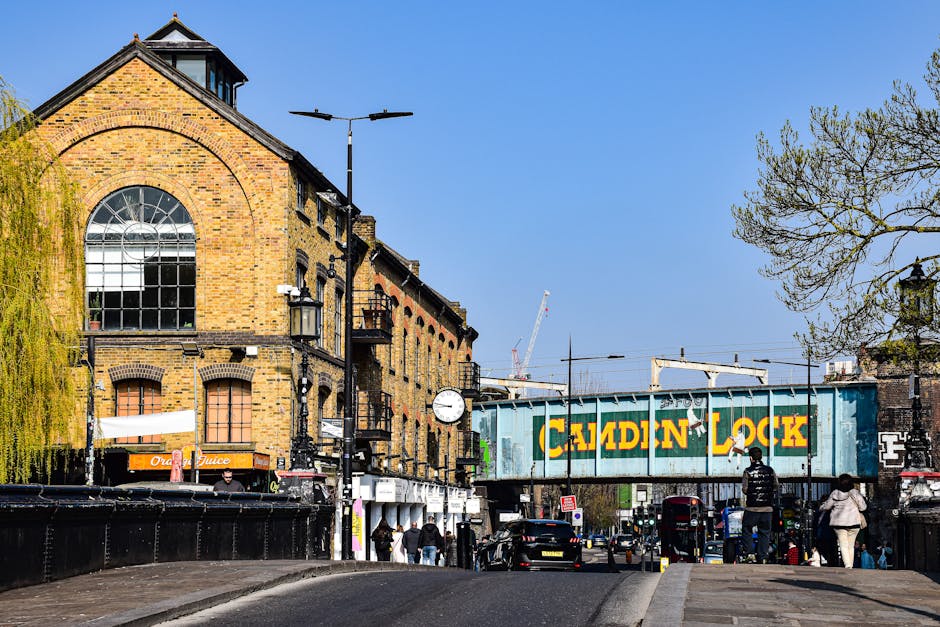
Lewisham Council permits for Deptford removals explained
If you are moving in Deptford, the permit side of the job can feel oddly confusing. The boxes are one thing; the van, kerb space, loading bay, and council rules are another. Lewisham Council permits for Deptford removals explained means taking the guesswork out of that part of the move so you can plan sensibly, avoid fines, and keep the day moving. In a place like SE8, where streets can be tight and parking can vanish fast, a little preparation goes a long way.
This guide walks through what the permit usually affects, why it matters, how the process generally works, and what to do if your move is awkward, late notice, or involves bulky furniture. You will also find a checklist, a comparison table, and a few practical examples drawn from the sort of situations people actually face around Deptford.
Why Lewisham Council permits for Deptford removals explained Matters
The short version? Because a move can go sideways very quickly if the van has nowhere legal to stop. Deptford has a mix of residential streets, flats, busier corridors, and awkward access points. On paper, "just park outside for ten minutes" sounds simple. In real life, it can be the part that causes the most stress.
Lewisham Council rules matter when your removal vehicle needs to load or unload in a place where parking is restricted, time-limited, shared, or controlled. If a bay is suspended, a permit is required, or the area is not suitable for casual stopping, the wrong choice can lead to delays, parking tickets, or a crew having to carry heavy items further than they should. And let's face it, nobody wants to wrestle a wardrobe down a pavement after dark because the van is two streets away.
For local moves, the permit question is not always about a formal moving permit in the dramatic sense. Sometimes it is about whether you need permission to use a bay, whether a suspension is in place, or whether the road layout makes a specific loading arrangement the safest option. That is why local knowledge matters so much. If you want a broader picture of the kinds of moves that tend to need planning, the stress-free home moving approach and safe plans for narrow stairwell moves are both useful reads.
There is also a people side to this. A permit is not just admin. It helps keep neighbours happy, reduces obstruction, and gives the moving team a realistic route. On a wet Tuesday morning, with traffic edging along and everyone half-awake, the difference between "planned access" and "we'll sort it out on the day" can be huge.
Expert summary: If your Deptford move depends on roadside loading, a controlled bay, or limited stopping time, check the permit and access position early. The cost of a quick check is usually far lower than the cost of an avoidable delay.
How Lewisham Council permits for Deptford removals explained Works
Most removal access problems fall into a few predictable buckets. You may need to use a bay for loading, park briefly on a single yellow line within any allowed limits, avoid an active suspension, or work around a street that simply has no easy stopping space. The exact requirement depends on the road, the time, and the type of vehicle involved.
In practical terms, the process usually looks like this:
- Assess the address and road layout. Is there resident parking, pay-and-display, loading restrictions, or a narrow one-way system?
- Check whether the move needs special permission. This is more likely if a van needs to stay in one place for a while or if the street is heavily controlled.
- Book in advance where possible. Last-minute arrangements can be possible in some cases, but you do not want to assume that.
- Coordinate arrival times. The permit window, the crew schedule, and the building access window should all line up.
- Prepare the property. Keep the route clear, reserve lifts if relevant, and make sure keys, boxes, and fragile items are ready.
A lot of people only think about the van space itself, but the loading route matters just as much. If you have ever tried to move a sofa from a first-floor flat while a car blocks the kerb outside, you know the feeling. It is not ideal. For heavier items, some readers find it helpful to look at the practical advice in heavy lifting tasks and safe lifting technique before move day.
There is also a difference between a permit for parking and a permit for works. If you are using the road only briefly for loading, the arrangement may be straightforward. If the vehicle needs to stay put for an extended period, or if there is a bay suspension involved, the process becomes more sensitive. In plain English: the longer and more disruptive the stop, the more carefully it needs planning.
Key Benefits and Practical Advantages
When the permit side is handled properly, the move tends to feel calmer. Not glamorous, just calmer. That is worth a lot on its own. But there are more concrete benefits too.
- Less risk of parking penalties. You reduce the chance of a costly mistake on a day when you already have enough to think about.
- Faster loading and unloading. A close legal stopping point means fewer trips up and down the street.
- Lower physical strain. Carrying items a shorter distance matters more than most people think.
- Better timing control. A planned access point helps the whole schedule stay on track.
- Less neighbour friction. Nobody enjoys a blocked driveway or a van parked awkwardly over a dropped kerb.
There is also a quieter benefit: confidence. Once you know the access side is sorted, you can focus on packing, cleaning, and the hundred small jobs that always appear on moving day. If you are still at the sorting stage, the advice in decluttering before a house move and packing essentials for moving day can make the rest of the plan much easier.
For homeowners and renters alike, there is a practical knock-on effect: once access is known, you can choose the right vehicle size, the right crew size, and the right route. That often prevents overbooking. People sometimes think a bigger van is always the answer. Not necessarily. A van that is too large for the street can create more trouble than it solves.
Who This Is For and When It Makes Sense
This is not just for big house moves. In Deptford, permit planning can matter for a lot of different situations:
- Flat moves where the building is on a busy or tightly controlled street
- House removals where the van needs to park close to the front door
- Student moves with small windows between key handover and transport
- Office moves where equipment must be loaded efficiently and discreetly
- Same-day removals where there is little room to recover from a parking issue
- Bulky furniture clearance when the items are too awkward to leave sitting around
If the job involves a piano, large sofa, freezer, bed frame, or awkward cabinet, access becomes even more important. Those items are heavy enough without adding a long carry to the mix. A few readers also cross-check the specialist pages like piano removals in Deptford and furniture removals in Deptford because the handling plan can influence the access plan too.
To be fair, some people do not need any special permit at all. If you are moving from a quiet street with clear loading space, the situation may be simple. But in Deptford, you should not assume that simplicity will just appear on the day. Streets change. Bays fill. Other vehicles arrive. And the one bit of luck you were hoping for? Usually parked in the wrong place.
Step-by-Step Guidance
If you want the practical version, use this sequence. It is not fancy, but it works.
- Check the departure and arrival addresses. Look at both ends of the move, not just one. A smooth loading point at one property can be ruined by a blocked unloading point at the other.
- Identify any controlled parking or loading restrictions. Note permit bays, time limits, double yellows, suspended bays, and narrow access.
- Estimate how long the van will need to stop. A short hand-carry from the door is different from a full flat move with multiple heavy items.
- Confirm building rules. Some flats and managed properties have their own access rules, lift bookings, or time windows.
- Choose the right moving setup. That might mean a smaller van, a larger team, or a later start to avoid street congestion.
- Prepare your items strategically. Keep the first-load boxes by the door and the awkward things ready to go first.
- Keep documents and contact details handy. You do not want to be searching for the booking confirmation while the van is waiting.
A small real-world example: a second-floor flat move near a busy road can look easy from the lounge window at 8 a.m. By 10 a.m., the kerb space is gone, school traffic has built up, and the moving team is standing at the bottom of the stairs with a mattress that really, really wants to be somewhere else. Planning ahead saves that scene.
If the access route is tricky, it may help to read tight removal planning for local streets and van access tips for house moves. They are useful when the road layout is doing half the work against you.
Expert Tips for Better Results
Here is where a bit of local know-how makes life easier.
- Build a buffer into the schedule. If access is tight, do not plan right up to the minute. A 15-minute delay can cascade.
- Use the shortest practical route inside the property. Clear hallways, open doors, and remove small obstacles before the crew arrives.
- Protect fragile items in advance. If you are packing breakables, use proper boxes rather than improvising with shopping bags. We have all seen that go wrong.
- Mark awkward or heavy items early. Anything bulky should be identified before loading begins, not halfway through.
- Think about weather. Rain changes everything. Wet pavements, slippery steps, and damp boxes slow a move down more than people expect.
- Keep one person as the access lead. If there is a parking issue, one clear point of contact saves a lot of back-and-forth.
Some of the best moving days I have seen are not the ones with the fanciest plan. They are the ones with the cleanest route, the clearest communication, and one person who knows where the keys are. That, plus tea. Obviously.
If you are handling furniture or larger household items, the practical guidance on storing a sofa properly, moving a bed and mattress, and keeping a freezer in good shape can help you avoid avoidable damage while the access arrangements are being sorted.
Common Mistakes to Avoid
Most permit problems are not dramatic. They are ordinary little missteps that snowball. The good news is that they are avoidable.
- Leaving access checks until moving day. That is the big one. Streets do not become easier to use because the packing is finished.
- Assuming a loading bay is always available. Bays can be suspended, occupied, or unsuitable at the exact time you need them.
- Choosing a van without thinking about street width. Bigger is not always better, especially around narrow Deptford roads.
- Forgetting building restrictions. Lifts, concierge slots, and key collection times can all matter.
- Underestimating how long unloading takes. The last 20% of a move often takes more effort than expected.
- Not planning for bulky waste or clearance items. If you are getting rid of old furniture, do that properly rather than leaving it to become a problem later.
A lot of people also make the mistake of thinking the permit conversation is separate from the rest of the move. It is not. It affects timing, crew size, packing order, and even whether you need storage for a few days. If that sounds like your situation, storage options in Deptford may be worth considering, especially if your move-out and move-in dates do not line up cleanly.
Tools, Resources and Recommendations
You do not need a complicated toolkit, but you do need a few practical basics.
- Measuring tape: Useful for checking whether large items and the van setup will actually fit.
- Parking notes: Write down the street name, time window, and any access instructions in one place.
- Boxes and labels: Good labels speed up unloading more than people expect.
- Protective blankets and straps: Helpful for furniture and appliance handling.
- Phone charger: Simple, but the whole day gets messier if the battery dies mid-coordination.
For a smoother preparation phase, the internal guides on move-out cleaning and preparing for a move-out are useful companions. You can also review packing and boxes in Deptford if you want a more organised pack-down before the van arrives.
If you are comparing moving help, it is also worth looking at the wider service range rather than choosing the first available option. The services overview and removal services in Deptford pages help set expectations around what a move can include.
Law, Compliance, Standards, or Best Practice
Permit arrangements sit within ordinary local parking and highway control, so the safest approach is to treat them as compliance issues, not as a loose suggestion. You should always follow the rules that apply to the exact street and exact time of your move.
In everyday practice, that means:
- Do not block access routes. This includes dropped kerbs, entrances, emergency access points, and clearways.
- Use legal stopping arrangements only. If a bay or loading area is restricted, assume it matters.
- Respect residential conditions. Flats, estates, and managed buildings often have additional expectations.
- Plan safely for lifting and carrying. The legal side and the safety side go hand in hand.
Best practice in removals is simple: minimise disruption, keep access clear, and communicate early. If you are unsure whether a stop is acceptable, do not guess. Check first. A small delay is better than a fine, and a fine is better than a collision. Not that anyone wants either, naturally.
For a broader trust signal around how a move is handled, you may also want to review the site's health and safety policy, insurance and safety information, and terms and conditions.
Options, Methods, or Comparison Table
There are usually several ways to handle a Deptford move. The right one depends on the street, the load, and how much time you have.
| Option | Best for | Pros | Watch-outs |
|---|---|---|---|
| Informal roadside loading | Quiet streets with easy access | Simple, quick, low planning overhead | Risky if parking is limited or the street fills up |
| Planned permit or bay arrangement | Controlled roads and longer loading windows | More certainty, better access, fewer surprises | Needs advance organisation and correct timing |
| Smaller vehicle and staged loading | Narrow streets or awkward access | More manoeuvrable, often easier to position | May need extra trips if the load is large |
| Storage-first move | When dates do not line up or access is awkward | Reduces pressure on the day | Extra handling and short-term storage costs |
There is no universal winner. A student studio move might be best served by a compact van and a quick loading plan. A family house move with a dining table, freezer, and bedroom furniture might need more structure. If you are weighing up the help type itself, the pages for man and van in Deptford, man with a van in Deptford, and removal van in Deptford are a sensible place to compare the practical setup.
Case Study or Real-World Example
Here is a realistic scenario. A couple moves from a first-floor flat off a narrow Deptford street on a Friday morning. They have a sofa, a bed, boxes, and a freezer. The road looks manageable at 7:30 a.m., but by 8:15 the nearest practical space has gone. They had not checked whether the loading area was restricted, and the building window for lift use was also tighter than expected.
The result? The move starts late, the team has to carry the heaviest items further than planned, and the whole mood gets strained. Nothing catastrophic. Just irritating, tiring, and unnecessary.
Now picture the same move with better prep. They confirm access early, line up the vehicle with the likely loading point, keep the first-load items near the door, and use a short timetable with a buffer. The move still takes effort, because all moves do, but it feels orderly. The sofa is out first, the bed is disassembled in the right order, and the freezer does not sit in a risky spot for long. Much better.
That second version is often what separates a decent moving day from a frazzled one. The permit is not the whole story, but it is often the bit that keeps the story on the rails.
Practical Checklist
Use this checklist a day or two before the move, and again on the morning itself.
- Confirm the move date, arrival time, and address details
- Check whether roadside access needs permission or is restricted
- Review both collection and delivery streets
- Note any loading bays, suspensions, or time-limited spaces
- Make sure building access instructions are clear
- Reserve lifts or notify building management if needed
- Measure any large furniture and doorways
- Prepare blankets, straps, tape, and labels
- Pack fragile items separately and mark them clearly
- Keep keys, phones, and payment details close by
- Set aside essentials you need first at the new property
- Plan for weather, traffic, and a small time buffer
- If disposing of bulky items, sort that out before move day
If you need a reminder of the practical sequence behind a calmer move, the article on a stress-free approach to moving home is a good companion piece. And if the timeline is tight, late-notice Deptford moves covers the kind of support people often need when time is short.
Get a free quote today and see how much you can save.
Conclusion
Lewisham Council permits for Deptford removals explained simply means this: do not treat roadside access as an afterthought. In Deptford, the difference between a smooth move and a frustrating one often comes down to whether the van can legally and sensibly stop where it needs to. Once that piece is understood, the rest of the move becomes far easier to control.
Plan the route, check the restrictions, build in a little time, and think about the full journey from front door to van to new address. That is the practical way through it. Not glamorous, but it works. And on moving day, honestly, that is what you want.
With a bit of care and the right preparation, you can keep the day steady, protect your belongings, and avoid the avoidable nonsense that makes people dread moving. One clear step at a time - that is usually enough.
Frequently Asked Questions
Do I always need a Lewisham Council permit for a Deptford removal?
Not always. It depends on the street, the parking rules, how long the van needs to stop, and whether the area is already controlled. Some moves can be handled with ordinary legal loading space, while others need more formal planning.
How far in advance should I check permit requirements?
As early as you can. A few days is better than the morning of the move, especially if the road is busy or the access point is likely to be tight. Early checks also give you time to adjust the vehicle or the schedule if needed.
What happens if the van cannot park near my flat?
The crew may need to carry items further, which usually slows the move and increases physical effort. In some cases, it can also affect how many people you need on the job. That is why street access matters so much.
Can a same-day move still work if parking is difficult?
Sometimes, yes, but it becomes more dependent on local knowledge and quick decisions. Same-day removals are easier when access is straightforward. If the street is complex, the plan needs to be realistic, not optimistic.
Is a permit the same thing as a parking space reservation?
No. A permit is usually about permission to use or occupy a space under certain conditions. A reservation is more like securing a slot. The details depend on the exact street arrangement, so it is worth checking carefully rather than assuming the terms mean the same thing.
What if my building has its own access rules?
Then you need to follow those as well as any street restrictions. Building management can have lift booking rules, loading windows, or access instructions that affect the whole move. It is one of those small details that can cause a big delay if forgotten.
Do furniture-heavy moves need more planning?
Usually, yes. Large items like sofas, beds, pianos, and freezers are harder to carry if the van cannot stop close by. That is why access planning and item handling should be considered together, not separately.
How do I know if my road is too narrow for a bigger van?
If you are unsure, it is safer to choose a more manoeuvrable setup and check the road in advance. Narrow Deptford streets can be deceptive. They look fine until a large vehicle tries to turn or stand still at the kerb.
Can storage help if the permit side is complicated?
Yes, it can. Storage is useful when move-in and move-out dates do not line up, or when the access plan needs more breathing room. It reduces pressure on the exact day, which is often a relief in practice.
What is the biggest mistake people make with removal permits?
Leaving it too late. People often focus on packing and assume the van part will sort itself out. In real life, access planning is one of the first things that should be checked. It saves a lot of scrambling later.
Should I ask the removal company about permits before booking?
Absolutely. A good removal company should be able to talk through access, timing, and vehicle choice sensibly. The best setups are the ones that fit the street, not just the budget.
What is the best next step if I am still unsure?
Make a note of your collection and delivery streets, the moving date, and any known parking restrictions, then ask for advice before the move gets close. A quick check now is far easier than troubleshooting on a busy morning.