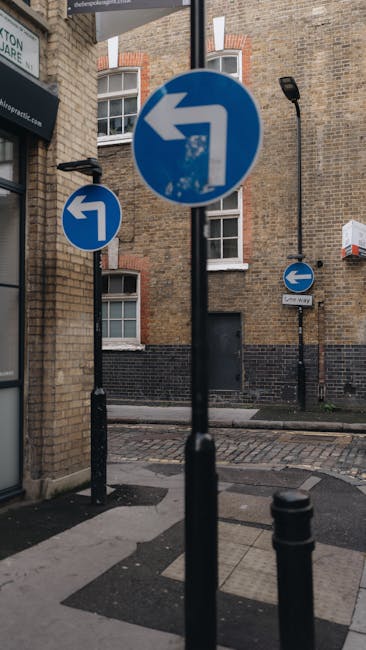
Creek Road to Deptford Market Yard: navigating tight removals
If you are planning a move around Creek Road and Deptford Market Yard, you probably already know the challenge is not distance. It is access. Tight stairwells, awkward parking, busy corners, narrow walkways, and the simple fact that one badly judged sofa can turn a tidy move into a very long afternoon. Creek Road to Deptford Market Yard: navigating tight removals is really about planning for those constraints before they become a problem. Do that well, and the whole job feels calmer, quicker, and a lot less stressful.
In this guide, we break down how tight removals work in this part of Deptford, what makes them different, and how to avoid the usual headaches. You will find practical advice on planning, packing, lifting, vehicle choice, building access, and the little decisions that save time on moving day. If you are weighing up a local man and van in Deptford, moving from a flat, or trying to shift bulky furniture without damage, this should help you make smarter choices. Lets face it, no one wants to carry a wardrobe half a mile because the van could not get near the entrance.
Table of Contents
- Why Creek Road to Deptford Market Yard: navigating tight removals Matters
- How Creek Road to Deptford Market Yard: navigating tight removals Works
- Key Benefits and Practical Advantages
- Who This Is For and When It Makes Sense
- Step-by-Step Guidance
- Expert Tips for Better Results
- Common Mistakes to Avoid
- Tools, Resources and Recommendations
- Law, Compliance, Standards, or Best Practice
- Options, Methods, or Comparison Table
- Case Study or Real-World Example
- Practical Checklist
- Conclusion
- Frequently Asked Questions
Why Creek Road to Deptford Market Yard: navigating tight removals Matters
Creek Road and the roads around Deptford Market Yard sit in a part of south east London where space is often the real battleground. It is not unusual to find limited kerb space, short stopping windows, shared access, loading constraints, and entrance points that look larger on a phone screen than they do in person. Add in the everyday rhythm of the area - pedestrians, cyclists, deliveries, market traffic, and the usual London squeeze - and a standard move can become awkward quickly.
This matters because a tight removal affects almost every part of the day. Parking becomes planning. Lifting becomes route-finding. Packing becomes damage prevention. Even timing gets more important. If your van arrives at the wrong moment, you may waste ten minutes circling, then another ten trying to find a legal spot, and suddenly the whole schedule is wobbling.
A well-run tight removal protects three things: your belongings, your energy, and the building around you. That sounds simple, but in practice it is where good removals work separates from rushed guesswork. A sofa scraped through a narrow landing, a mattress bent at the wrong angle, or a freezer tipped without enough clearance can cause real damage. Sometimes it is a small scuff. Sometimes it is a cracked banister. Sometimes it is just a very sore back. Not ideal.
If you are moving furniture or bulky items specifically, it helps to think beyond the van. The path from door to vehicle matters just as much as the loading bay. For more specialist planning, our guide on furniture removals in Deptford is a useful companion read.
How Creek Road to Deptford Market Yard: navigating tight removals Works
Tight removals work best when the route is treated like a sequence of small problems to solve, not one big move to improvise on the day. In practice, that means checking access, matching the vehicle to the street, and planning the carry route before a single box is lifted.
First comes assessment. A proper removal plan should consider whether the van can stop close enough to the entrance, whether there are height or width restrictions, whether you are dealing with stairs, and whether the item dimensions are actually workable. A wardrobe that fits in the property may still be impossible if there is a sharp turn at the landing. Happily, those problems can be spotted early.
Then comes packing and loading order. In a tight area, you want the heaviest and hardest items loaded in a way that reduces repeat trips. That might mean grouping boxes by room, preparing the largest furniture first, and keeping fragile items separate so they are not buried under a pile of lamps and shoe boxes. A solid packing routine makes the whole day feel less chaotic. If you want a fuller primer, packing essentials for moving day covers the basics well.
Finally, there is the actual carry. This is where the pace changes. Narrow hallways demand control, not speed. Short pauses at corners are normal. Better to stop, reset your grip, and breathe than force an awkward angle and chip a wall. That little pause can save a lot of trouble.
In a practical sense, this kind of move often uses a smaller, more manoeuvrable vehicle, especially where road access is limited. A removal van in Deptford may be better suited than a larger truck if the location is particularly tight. The aim is not to use the biggest vehicle possible. It is to use the right one.
Key Benefits and Practical Advantages
There are real benefits to planning a tight removal properly, and they are not just about convenience. They affect safety, cost, and how much of your day disappears into avoidable friction.
- Less damage risk: Better route planning reduces knocks, scrapes, and dropped items.
- Faster loading: Clear access and pre-packed items mean fewer delays.
- Lower physical strain: The fewer times you need to reposition heavy furniture, the better for everyone involved.
- Better use of parking and time: Tight urban streets reward precise timing.
- Cleaner handover: A planned move is easier to complete tidily, which matters if you are leaving a flat or shared building.
Another advantage is psychological, and this gets overlooked. When the access plan is sorted, the whole move feels more manageable. You stop worrying about the unknowns and start working through a list. That shift makes a difference. In our experience, even a slightly cramped move feels much lighter when everyone knows the plan before the first box comes out of the door.
If you are moving out of a flat near the station or market yard, then the practical upside is even clearer. Flat moves often involve stairs, shared entrances, and short load windows. A focused approach is exactly what you need. Our flat removals in Deptford page is useful if your move includes upper-floor access.
Who This Is For and When It Makes Sense
This kind of removal planning makes sense for anyone moving where space is limited, but a few groups benefit most.
- Flat residents: Especially if there are stairs, narrow entries, or shared corridors.
- Students: Quick moves, smaller budgets, and often a lot more boxes than expected. Funny how that works.
- Households with bulky furniture: Sofas, beds, wardrobes, dining tables, and white goods need extra thought.
- Office movers: Tight access can affect desks, filing cabinets, screens, and equipment.
- Anyone needing same-day support: If plans change suddenly, tight access still has to be managed safely.
It also makes sense if you are moving in or out of a building with limited permit-friendly stopping places or short loading periods. That is common enough around centralised neighbourhoods in London. If you need flexibility, our same-day removals in Deptford service can be relevant when timing is unexpectedly tight.
One thing to be honest about: not every move needs a full-scale operation. A single sofa, a bed frame, or a few boxes may be better handled with a compact setup and careful planning. That is where local experience really helps.
Step-by-Step Guidance
Here is a sensible way to handle a tight removal route from Creek Road to the Deptford Market Yard area without overcomplicating it.
1. Measure the awkward bits first
Measure doors, stair widths, tight corners, lifts, and the item itself. Do not rely on memory. People often do, and then regret it when the mattress arrives at a landing it cannot quite swing around. If possible, note the smallest width along the route, not just the headline measurements.
2. Decide what needs dismantling
Flat-pack furniture, bed frames, some wardrobes, and large tables often move better in parts. If something can be safely taken apart, it usually should be. Keep screws, fittings, and brackets in labelled bags. Not glamorous, but very effective.
3. Choose the vehicle size carefully
In tight areas, a more compact vehicle can be easier to position and quicker to load. That does not mean making multiple unnecessary trips; it means finding the balance between capacity and access. If you are unsure, a man with a van in Deptford can often be the most flexible option for smaller or trickier moves.
4. Pack by room and weight
Heavy items go in smaller boxes. Light, bulky items can go in larger ones. This sounds obvious until a massive box of books nearly takes your foot off. Group items by room so unloading is faster at the other end. It also helps if the destination has a similar access squeeze.
5. Protect the route inside the property
Use blankets, corner protectors, and tape where appropriate. Hallways on older or tightly arranged properties can be vulnerable to marks. The goal is to move confidently, not carelessly. A few minutes of protection saves cleaning time later.
6. Load in the right order
Load the heaviest and sturdiest items first, then build around them. Fragile items should not be crushed under awkwardly shaped furniture. Leave essentials accessible if you need them on arrival. Think kettle, documents, phone charger, and a bit of patience.
7. Keep the carry team in sync
Use simple verbal cues: stop, lift, turn, down. In narrow passages, coordination matters more than strength. Truth be told, most mishaps happen because two people are each doing the right thing at the wrong moment.
8. Unload with the same care
Once you reach the destination, resist the urge to rush. Tight access on the way in is often matched by tight access on the way out. Re-check corners and stairs before turning heavy items. If you need temporary holding space, storage in Deptford can be a practical buffer.
Expert Tips for Better Results
These are the small things that tend to make the biggest difference.
- Book around local traffic patterns: Early starts are often easier in busy pockets of London. Even a modest time shift can help.
- Use furniture protection from the start: Wrapping items after they are already in the hallway is not ideal.
- Keep one clear path: Do not let boxes spread into the route. One box in the wrong place becomes a trip hazard fast.
- Check the weather: Rain makes steps, pavements, and loading surfaces more slippery. A simple detail, but it matters.
- Reserve energy for the awkward last 20%: Most moves feel manageable until the heaviest item is left.
- Make one person the point of contact: It cuts down confusion when directions are needed quickly.
If you are moving a sofa, remember that fabric, leather, and arm shapes all affect handling. A bulky three-seater may need to be rotated, not dragged. For storage or temporary holding, these sofa storage tips can also help you avoid damage during a stopover.
And if lifting is starting to feel like too much on the day, it is okay to slow down and reassess. Going solo is sometimes possible for light items, but heavy lifting is a different story. This guide on handling heavy lifting tasks more efficiently is worth a read before you try to muscle through something you should not.
Common Mistakes to Avoid
Most tight-removal problems are predictable. The hard part is resisting the urge to improvise.
- Underestimating measurements: A doorway that looks fine can still fail once the item is tilted.
- Skipping route checks: Stair turns, railings, and landings matter just as much as the front door.
- Using boxes that are too large: Heavy boxes slow the move and raise injury risk.
- Assuming parking will work out: In tight London streets, hope is not a plan.
- Not separating fragile and essential items: You do not want to dig through half the van for one charger.
- Forcing oversized furniture through a poor route: If dismantling is possible, it is usually the smarter path.
One common mistake people make in Deptford is treating a move like a suburban driveway job. It is not. A street-level pickup near a busy market-adjacent area needs different thinking, even if the total number of items is small. The space itself changes the plan.
Another quiet error is forgetting end-of-tenancy tasks. If the property must be handed back clean and empty, your timetable needs room for that. Our move-out cleaning checklist is a useful companion, especially when you are juggling keys, bins, and final walkthroughs.
Tools, Resources and Recommendations
You do not need a van full of specialist kit for every small move, but the right basics make a big difference.
| Tool or Resource | Why It Helps | Best Used For |
|---|---|---|
| Furniture blankets | Protects surfaces from bumps and scrapes | Wardrobes, tables, sofas |
| Ratchet straps or tie-downs | Keeps items stable in transit | Heavy furniture and mixed loads |
| Tape and labels | Speeds packing and unpacking | Boxes, fittings, room organisation |
| Gloves with grip | Improves control on awkward items | Stairs, wet weather, heavy boxes |
| Dollies or trolleys | Reduces carrying load where surfaces allow it | Flat floors, appliances, boxed items |
For packing supplies, it is often worth using a service that can provide the right box sizes rather than making several shop runs. The packing and boxes in Deptford page is a practical starting point if you want the right materials without guesswork.
For people moving a bed or mattress, use a mattress cover and avoid over-folding unless the manufacturer allows it. Beds are one of those items that look simple until you meet a tight staircase. If that sounds familiar, moving your bed and mattress like a pro offers more focused advice.
And if you are dealing with a piano or another unusually heavy specialist item, do not improvise. Some things really are better handled with proper expertise. The article on why piano moving is not a DIY job explains why that matters.
Law, Compliance, Standards, or Best Practice
For removals in a built-up part of London, compliance is mainly about safety, road use, and respecting the property you are moving from and into. You should always check parking and access arrangements in advance, especially if a loading bay, permit zone, or timed stopping window may be involved. Local rules can vary, so it is sensible to verify details with the relevant borough or building management rather than assume.
From a best-practice standpoint, the main priorities are clear:
- Safe manual handling: Do not lift beyond your ability, and use proper technique.
- Damage prevention: Protect floors, doors, walls, and stair edges where needed.
- Vehicle safety: Secure loads correctly before travel.
- Property access etiquette: Keep communal areas clear and minimise disruption.
- Clear communication: Make sure everyone involved understands timings and access limits.
If you are hiring help, it is also sensible to ask about insurance, safety procedures, and how claims or issues are handled. A trustworthy mover should be able to explain their approach clearly. For background, see insurance and safety and the health and safety policy.
There is a simple rule here: if a move feels too tight for comfortable lifting or sensible handling, slow it down and change the method. Good practice beats bravado every time.
Options, Methods, or Comparison Table
There is more than one way to handle a tight removal route. The right choice depends on item size, access, timing, and how much help you have.
| Method | Best For | Strengths | Limitations |
|---|---|---|---|
| DIY with friends | Small loads, flexible timing | Budget-friendly, informal | Higher risk of injury, slower in tight spaces |
| Man and van | Flats, partial moves, awkward access | Flexible, local, efficient | May still need good planning for large items |
| Full removals team | Whole-home moves, heavier loads | More hands, more coordination | Can be more than you need for a very small move |
| Storage-first move | Staged moves or timing gaps | Reduces pressure, helps if keys do not align | Extra step, possible extra cost |
If your move is more about one awkward route than a big house clear-out, a flexible local service is often the sweet spot. That is especially true if you are dealing with a flat move, student move, or a collection of furniture rather than a full property.
Case Study or Real-World Example
Here is a realistic example. A tenant moving from a top-floor flat near the Creek Road area had a sofa, double bed, two bookcases, and about twenty boxes. The street outside was narrow enough that a large van would have been inconvenient, and the stairwell had one sharp turn halfway down.
The move went smoothly because the planning was basic but careful. The bed frame was dismantled the day before. The bookcases were emptied and wrapped. Boxes were packed by room so the new place could be set up in sections. The van was positioned for the shortest legal carry distance available, and the heaviest items were loaded first. Nothing dramatic. No heroics. Just sensible steps.
The key lesson was that the move only looked difficult from the outside. Once the measurements were taken and the vehicle choice matched the route, it became manageable. That is often how tight removals work. They reward preparation more than force.
There was one moment, near the stair turn, where the sofa needed to be rotated slowly while someone steadied the wall side. A tiny pause, a small adjustment, and through it went. Not exactly glamorous, but very satisfying.
Practical Checklist
Use this checklist before moving day. It is simple, but it covers the bits people usually forget.
- Measure the largest items and the narrowest points on the route.
- Check whether any furniture should be dismantled in advance.
- Label boxes by room and note any fragile contents.
- Confirm parking, loading, and access arrangements.
- Protect floors, corners, and door frames where needed.
- Prepare straps, blankets, gloves, and tape.
- Separate essentials you will need immediately on arrival.
- Plan for bad weather, especially if any carry is exposed to the street.
- Keep stairways and corridors clear.
- Build in extra time for a tight route, because the estimate is nearly always kinder than the reality.
Expert summary: the best tight removals are not the fastest-looking ones. They are the ones that feel controlled, measured, and a bit boring in the best possible way.
If you are comparing providers or trying to understand what is included, our removal services in Deptford page gives a good overview of the support available. For broader context, see the services overview and pricing and quotes pages too.
Conclusion
Creek Road to Deptford Market Yard: navigating tight removals is really about making smart decisions before the move starts. Measure carefully, plan the vehicle, protect the route, and do not ask heavy furniture to do a job it was never designed for. When the access is tight, precision matters more than enthusiasm.
The good news? Most of the stress is avoidable. Once you understand the route, the space, and the load, a difficult-looking move becomes a manageable one. And that is a nice feeling, truth be told. You can actually enjoy getting the place set up at the other end instead of spending the whole day firefighting.
Get a free quote today and see how much you can save.
If you are ready to move with less hassle, a quick conversation and a clear plan can make all the difference. There is no prize for doing it the hard way.
Frequently Asked Questions
What makes removals around Creek Road and Deptford Market Yard so tricky?
The main challenge is access. Narrow roads, limited parking, tight turning space, stairways, and shared entrances can all slow things down. The move may be short in distance but still demanding in practice.
Do I need a large van for a move in this area?
Not always. In fact, a smaller, more manoeuvrable van may be better if street access is tight. The right vehicle depends on your items, the route, and how close the van can legally stop.
How far in advance should I plan a tight removal?
As early as you can, especially if you need to check parking, dismantle furniture, or organise packing materials. Even a small move benefits from advance planning because the access issues are easier to solve before moving day.
What furniture usually causes the most problems?
Sofas, wardrobes, beds, mattresses, and large tables are common troublemakers. Anything bulky, awkwardly shaped, or difficult to turn on stairs should be measured carefully before the move.
Should I dismantle furniture before moving?
If it can be safely dismantled, yes, usually. It often makes the route easier and reduces the risk of damage. Keep the fittings labelled and in one bag so reassembly is not a guessing game later.
Can I handle a tight flat move on my own?
Small moves can sometimes be handled solo, but heavy or awkward items are another matter. If there are stairs, limited space, or fragile items, getting help is usually the safer choice.
How do I avoid damage to walls and floors?
Use blankets, protectors, and careful lifting. Keep one clear route and move slowly around corners. In tight hallways, the smallest bump can leave a mark, so a little extra care goes a long way.
What should I pack separately for moving day?
Keep essentials like documents, keys, chargers, basic toiletries, snacks, and a change of clothes in one easy-to-reach bag. It saves time and avoids the classic first-night panic of searching through twelve boxes for one phone cable.
Is storage useful if my move dates do not line up?
Yes, very often. Storage can bridge the gap between leaving one property and entering another, or simply reduce pressure if the new place is not ready yet. It is a practical option when timing gets messy.
How do I choose between man and van and a full removals team?
If you have a smaller load, limited access, or a short move, a man and van service may be enough. For a full property move with more furniture and more coordination, a larger team may be the better fit.
What if my building has awkward access or narrow stairs?
Tell the removals provider in advance and give as much detail as possible. Photos, measurements, and a quick description of the route help a lot. The more they know, the smoother the day tends to go.
Are there rules I should check before moving in this part of Deptford?
Yes. Parking, loading, and access rules can vary depending on the street, building, or borough arrangements. It is best to check the current position before the move rather than assume stopping space will be available.
What is the best way to prepare for a very tight removal day?
Measure properly, pack logically, confirm access, and keep the route clear. If you want a fuller approach to reducing stress, our stress-free home moving guide is a useful next read.
Can I combine a removal with cleaning or decluttering?
Absolutely, and it often saves time. Decluttering before the move reduces volume, and cleaning at the end helps with handover. If you want to trim down what you are taking, decluttering before a house move is worth reading.